
Trézor.io/Start — Starting Up™ Your Device | Trézor®
Trezor.io/start supports a smooth Trezor setup experience by covering device initialization, recovery security, Trezor Suite connection, account management, transaction confirmation, and practical wallet protection tips.
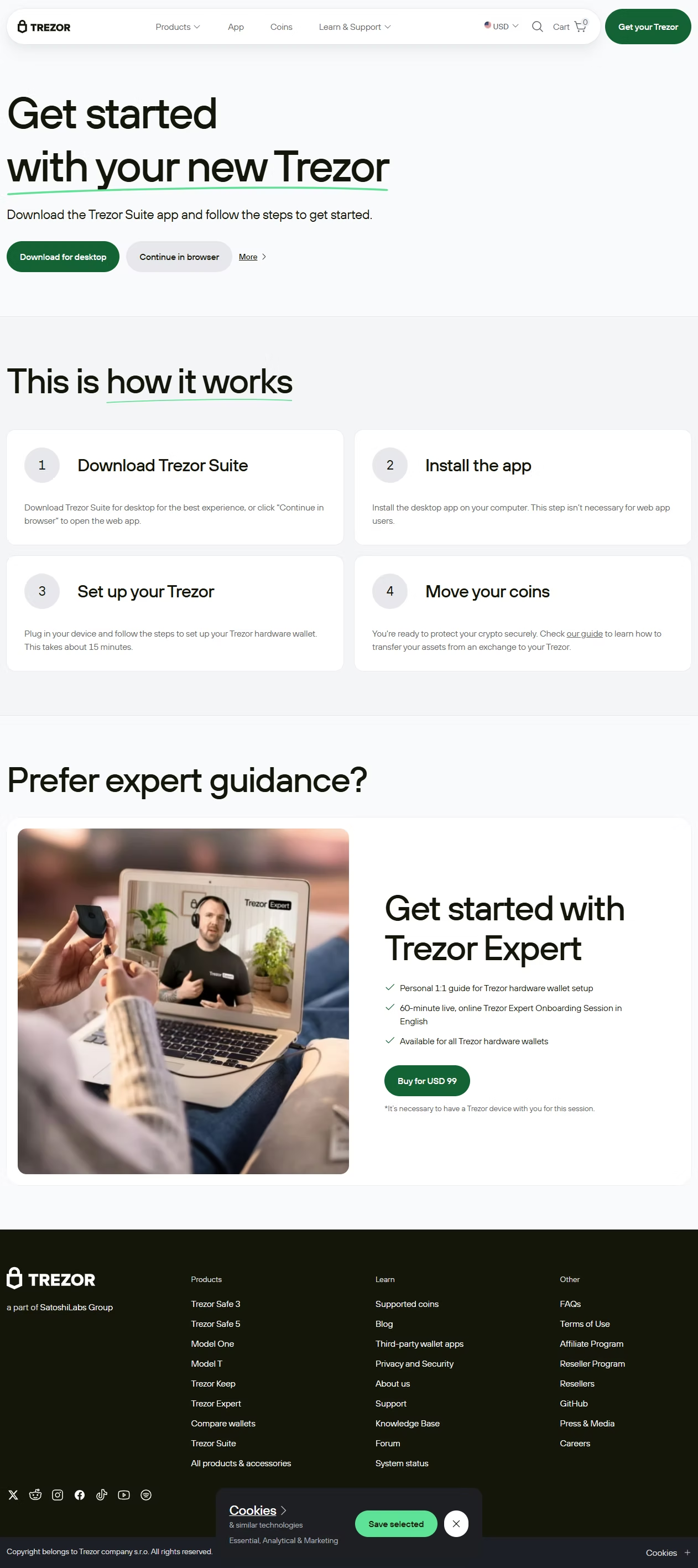
Trezor.io/start: Complete Guide to Setting Up Your Trezor Hardware Wallet
Setting up a hardware wallet for the first time can seem complicated, especially when you are unfamiliar with recovery phrases, wallet applications, device security, and cryptocurrency accounts. Trezor.io/start is commonly associated with the initial setup journey for a Trezor hardware wallet, helping users understand the steps required to prepare their device for secure crypto management.
A hardware wallet is designed to keep important wallet credentials protected while allowing users to interact with digital assets through compatible software. Taking time to complete each setup step carefully can make the experience easier and reduce avoidable security mistakes.
What Is Trezor.io/start?
Trezor.io/start refers to the Trezor setup starting point where users can begin learning how to configure a compatible Trezor hardware wallet. The setup process can involve connecting the device, preparing the required software, completing device checks, and creating or restoring a wallet.
For anyone new to hardware wallets, following a structured setup process is useful because every stage has a specific purpose. Users should read the instructions carefully instead of skipping security-related steps.
Why Proper Trezor Setup Matters
A hardware wallet provides an additional layer of protection for managing cryptocurrency, but security also depends on how the device is initialized and used.
During setup, users may create a new wallet or restore an existing wallet depending on their circumstances. The recovery information associated with the wallet is especially important because it can provide access to the assets controlled by that wallet.
For this reason, wallet setup should be completed privately and without sharing confidential information with another person.
Getting Started With a Trezor Hardware Wallet
The first step is to connect the compatible Trezor device to a trusted computer and follow the setup instructions provided through the appropriate software environment.
Make sure your computer is secure and that you are using legitimate Trezor software. Avoid downloading wallet applications from unknown websites or following setup instructions received through unsolicited messages.
Once the device is detected, continue through the displayed instructions and pay attention to any security notices.
Understanding the Recovery Phrase
The recovery phrase is one of the most important parts of hardware wallet security. It can be used to restore access to the wallet if the physical device becomes unavailable.
When a new recovery phrase is generated, write it down carefully using a secure offline method. Keep the backup private and protected from unauthorized access.
Never send recovery words through email or messaging applications, and never enter them into a random website claiming to provide wallet support. Anyone who obtains the recovery phrase may be able to compromise the associated wallet.
Creating or Restoring a Wallet
Depending on the situation, users can follow the available setup path for creating a new wallet or restoring an existing one.
A new wallet setup generally involves generating new recovery information and completing the device configuration. Restoring a wallet requires the correct recovery information associated with that wallet.
Always make sure you understand which option you are selecting before proceeding. If you are restoring an existing wallet, never use a recovery phrase supplied by another person.
Connecting Trezor With Wallet Software
After the hardware device has been prepared, compatible wallet software can provide the interface for viewing accounts and managing supported assets.
The software can make everyday tasks more convenient, including checking balances, reviewing transaction activity, and preparing cryptocurrency transfers. However, important operations should still be reviewed carefully on the hardware device before approval.
This combination of software convenience and hardware-based confirmation creates a more deliberate approach to crypto management.
Managing Cryptocurrency Accounts
Once setup is complete, users can organize supported cryptocurrency accounts and monitor their portfolio through the available interface.
When receiving assets, always verify the destination address before completing a transfer. When sending cryptocurrency, check the address, amount, asset, and network details carefully.
Blockchain transactions can be difficult to reverse, so taking a moment to verify information is an important part of responsible wallet usage.
Verify Transactions Before Approval
One of the most valuable habits for hardware wallet users is carefully reviewing transactions before confirming them.
Do not assume that the information shown on a computer screen is automatically correct. Compare important transaction details with what appears on the hardware device.
If an address or transaction amount looks different from what you expected, stop and investigate before approving anything.
Watch for Fake Trezor Websites
Cryptocurrency users are frequently targeted by phishing websites that imitate legitimate wallet services. These websites may use similar branding, domain names, layouts, or messages to appear trustworthy.
Be particularly cautious when a website asks for your recovery phrase, private information, or urgent wallet verification.
Avoid clicking suspicious links in emails, advertisements, social media posts, and unsolicited messages. Instead, independently navigate to the legitimate Trezor website when you need setup or support information.
Keep Your Wallet Software Updated
Software updates can improve compatibility, functionality, and security. When an update becomes available, verify that it comes through a trusted source before installing it.
Do not use modified wallet applications or files obtained from unknown download pages. Keeping your software environment maintained can help provide a smoother experience while managing your digital assets.
Final Thoughts
Trezor.io/start can serve as a useful starting point for users learning how to configure and work with a Trezor hardware wallet. A successful setup involves more than connecting a device; it also requires careful handling of recovery information, trusted software, and transaction verification.
Whether you are new to cryptocurrency or moving toward a hardware-based security approach, take each setup step slowly. Protect your recovery phrase, verify transactions directly on the device, use legitimate software, and remain cautious of phishing attempts. These simple habits can help create a safer and more confident Trezor wallet management experience.
Updated about 9 hours ago